


Drug information
Genvoya.mp3
| Genvoya.mp3 |
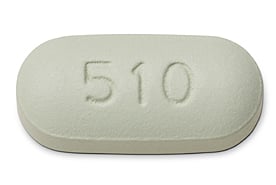
(The drug image[s] shown above is of the brand product only. There may be other available products not shown.)
What is Genvoya?What is Genvoya?
What is Genvoya?
Genvoya is a prescription medicine approved by the U.S. Food and Drug Administration (FDA) for the treatment of HIV in adults and children who weigh at least 55 lb (25 kg). Genvoya may be used in people:
- who have never received HIV medicines before, or
- to replace their current HIV medicines if they meet certain requirements, as determined by a health care provider.
Genvoya is a complete HIV treatment regimen. Do not take Genvoya with other HIV medicines unless your health care provider has prescribed it for use with other HIV medicines.
Genvoya contains four different medicines: elvitegravir, cobicistat, emtricitabine, and tenofovir alafenamide.
For more information on the use of Genvoya in people with HIV, please refer to the Guidelines for the Use of Antiretroviral Agents in Adults and Adolescents With HIV and the Guidelines for the Use of Antiretroviral Agents in Pediatric HIV Infection.
HIV medicines cannot cure HIV, but using HIV medicines as directed by a health care provider helps people with HIV live long, healthy lives. HIV medicines also reduce the risk of HIV transmission. If you are using HIV medicines, do not cut down on, skip, or stop using them unless your health care provider tells you to. For more information about using your HIV medicines as prescribed and ways to overcome barriers to medication adherence, please read the HIVinfo fact sheet on HIV Treatment Adherence.
What should I tell my health care provider before taking Genvoya?What should I tell my health care provider before taking Genvoya?
What should I tell my health care provider before taking Genvoya?
Before taking Genvoya, tell your health care provider:
- If you are allergic to any of the HIV medicines in Genvoya (elvitegravir, cobicistat, emtricitabine, or tenofovir alafenamide) or any other medicines.
- If you have liver problems, including hepatitis B virus infection (HBV).
- If you have kidney problems, including if you are receiving dialysis.
- If you have any other medical conditions.
- If you are pregnant or plan to become pregnant. Talk to your health care provider about the risks and benefits of taking Genvoya during pregnancy. For more information on the use of Genvoya during pregnancy, please refer to the Recommendations for the Use of Antiretroviral Drugs During Pregnancy and Interventions to Reduce Perinatal HIV Transmission in the United States.
- If you are breastfeeding or plan to breastfeed. For mothers with HIV in the United States, the Guideline recommends speaking with your health care provider to discuss options for feeding your baby. Mothers with suppressed viral load have a less than 1% chance of transmitting HIV to their baby via their own milk. Although most medicines are safe to use while breastfeeding, some medicines should be avoided. Always let your health care provider know about all the medicines and supplements you are using before you start breastfeeding.
- If you are using hormone-based birth control (such as injections, vaginal rings, implants, contraceptive patches, or birth control pills). Your health care provider may recommend that you use additional or alternative forms of birth control while taking Genvoya. For more information about using birth control and HIV medicines at the same time, view the HIVinfo HIV and Birth Control infographic.
- About other prescription and nonprescription medicines, vitamins, nutritional supplements, and herbal products (particularly St. John’s wort) you are taking or plan to take.
How should I take Genvoya?How should I take Genvoya?
How should I take Genvoya?
Genvoya comes in tablet form. Each tablet contains:
- 150 mg elvitegravir
- 150 mg cobicistat
- 200 mg emtricitabine
- 10 mg tenofovir alafenamide
Take Genvoya according to your health care provider’s instructions. Do not miss a dose of Genvoya, and do not change your dose or stop taking Genvoya without first talking with your health care provider. While taking Genvoya, it is important to keep all your appointments with your health care provider.
Take Genvoya by mouth with food.
If you are on dialysis, take your daily dose of Genvoya after receiving dialysis.
If you are taking any other medicines, supplements, antacids, or laxatives that contain magnesium, aluminum, calcium, iron, or zinc, take them at least 2 hours before or after you take Genvoya.
Do not take Genvoya with other HIV medicines unless your health care provider has prescribed it for use with other HIV medicines.
If you have taken too much Genvoya, contact your health care provider or local poison control center (1-800-222-1222 or online) right away, or go to the nearest hospital emergency room.
For more information on how to take Genvoya, see the FDA drug label.
What should I do if I forget a dose?What should I do if I forget a dose?
What should I do if I forget a dose?
If you miss a dose of Genvoya, take the missed dose as soon as you remember it. But if it is almost time for your next dose, skip the missed dose and just take your next dose at the regular time. Do not take two doses at the same time to make up for a missed dose.
What side effects can Genvoya cause?What side effects can Genvoya cause?
What side effects can Genvoya cause?
Genvoya may cause side effects. Many side effects from HIV medicines, such as Genvoya, are temporary or manageable. See the HIVinfo fact sheet on HIV Medicines and Side Effects for more information. Some side effects of Genvoya can be serious, as described below.
Important warning:
- Worsening of hepatitis B virus infection (HBV). Your health care provider will test you for HBV before you start treatment with Genvoya. If you have both HIV and HBV and take Genvoya, your HBV may get worse (flare-up) if you stop taking Genvoya. Do not stop taking Genvoya without first talking with your health care provider. If you stop taking Genvoya, you will need blood tests regularly for several months to check your liver function and monitor your HBV.
Other possible serious side effects:
- Changes in your immune system (called immune reconstitution syndrome or IRIS). IRIS is a condition that sometimes occurs when the immune system begins to recover after treatment with an HIV medicine. As the immune system gets stronger, it may have an increased response to a previously hidden infection.
- New or worsening kidney problems, including kidney failure. Your health care provider will do blood and urine tests before and during treatment with Genvoya to check your kidneys.
- A buildup of lactic acid in the blood (lactic acidosis). Lactic acidosis is a serious but very uncommon occurrence. Contact your health care provider right away if you have any of the following symptoms: unusual weakness or tiredness; unusual muscle pain; shortness of breath or fast breathing; stomach pain with nausea and vomiting; cold or blue hands and feet; dizziness or lightheadedness; or fast or abnormal heartbeat.
- Severe liver problems. In rare cases, severe liver problems may occur. Contact your health care provider right away if you have any of the following symptoms: yellowing of your skin or the whites of your eyes (jaundice); dark-colored urine; light-colored bowel movements; loss of appetite for several days or longer; nausea or vomiting; pain, aching, or tenderness on the right side of your stomach/abdominal area; or itching.
Tell your health care provider if you have any side effects that bother you or that do not go away.
These are not all the possible side effects of Genvoya. To learn more about possible side effects of Genvoya, read the drug label or package insert or talk to your health care provider or pharmacist.
You can report side effects to FDA at 1-800-FDA-1088 (1-800-332-1088) or online.
What medicines can interact with Genvoya?What medicines can interact with Genvoya?
What medicines can interact with Genvoya?
HIV medicines may interact with other medicines and supplements. Before starting Genvoya, tell your health care provider about all the prescription and nonprescription medicines, vitamins, nutritional supplements, and herbal products (including St. John's wort) you are taking or plan to take. Taking Genvoya together with certain medicines or products may cause serious side effects.
For a list of medicines that may interact with Genvoya, see the drug label or ask your health care provider or pharmacist. You can also look up potential interactions between your HIV medicines and other drugs using the HIV Drug Interaction Checker online.
How should Genvoya be stored?How should Genvoya be stored?
How should Genvoya be stored?
- Store Genvoya below 86°F (30°C).
- Keep Genvoya in the container that it came in and keep the container tightly closed. If the container has a small packet of drying agent (called a desiccant), do not remove it. Do not eat the desiccant. The desiccant protects the medicine from moisture.
- Do not use Genvoya if the original seal over the container opening is broken or missing.
- Throw away Genvoya that is no longer needed or expired (out of date). Follow FDA guidelines on how to safely dispose of unused medicine.
- Keep Genvoya and all medicines out of reach of children.
Where can I find more information about Genvoya?Where can I find more information about Genvoya?
Where can I find more information about Genvoya?
- For more information on the use of Genvoya in people with HIV, please refer to the Guidelines for the Use of Antiretroviral Agents in Adults and Adolescents With HIV and the Guidelines for the Use of Antiretroviral Agents in Pediatric HIV Infection.
- This Patient Version drug summary is based on the following FDA label(s): Tablet (film coated). The Patient Package Insert includes information for people taking Genvoya.
- The American Hospital Formulary Service (AHFS) Patient Medication Information for elvitegravir, cobicistat, emtricitabine, and tenofovir alafenamide (AF) available from MedlinePlus.
- Genvoya-related research studies, from ClinicalTrials.gov. (The ClinicalTrials.gov search can be modified so that you can get results that better match your interests.)
- A list of FDA-approved HIV medicines, from HIVinfo.
Manufacturer Information
Gilead Sciences, Inc.
Main number: 800-445-3235
Patient assistance: 800-226-2056
Last Reviewed: October 27, 2026